
Beyond Traditional Cancer Screening: My Proactive Approach to Early Detection
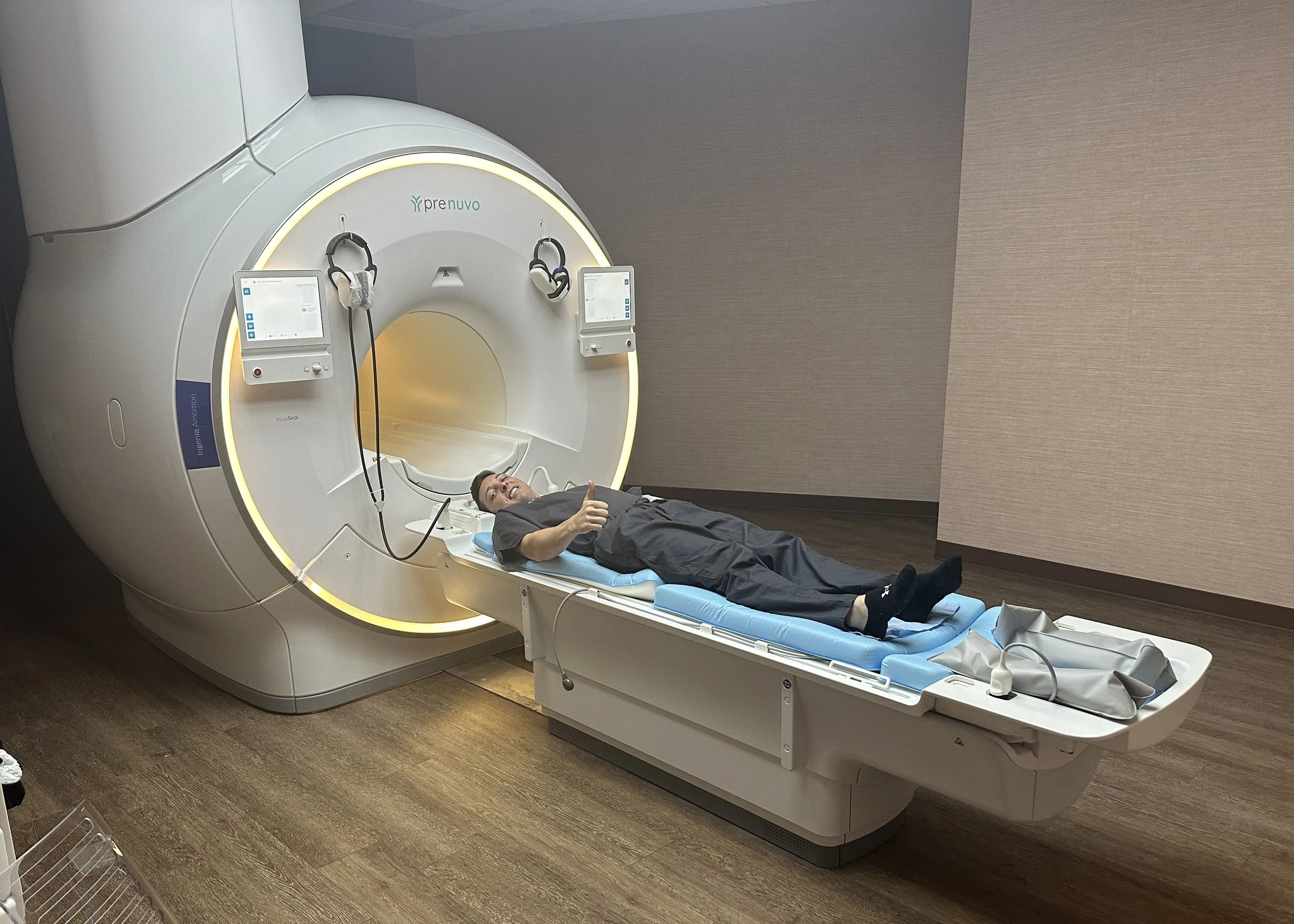
Cancer is a word that understandably carries a lot of weight. Almost all of us have been affected by it in some way, whether personally or through someone we love.
The encouraging news is that our ability to screen for and detect cancer continues to improve. And when cancer is found earlier, before it has had an opportunity to spread, we often have more treatment options and a much better chance of a successful outcome.
The challenge is that conventional cancer screening remains surprisingly limited.
Depending on your age, sex, family history, and individual risk factors, routine screening is largely focused on a relatively small number of cancers: breast, cervical, colorectal, lung, and prostate cancer. Additional screening for cancers such as skin or anal cancer may be appropriate in certain higher-risk populations.
These screening programs are incredibly important, and nothing discussed below is intended to replace them. But many of the cancers we worry most about, including pancreatic, ovarian, liver, brain, and several other aggressive cancers, do not currently have established population-wide screening tests. In fact, nearly half of cancers diagnosed each year are cancers for which we do not have a recommended screening test.
That gap is why I have become increasingly interested in combining conventional screening with newer technologies that allow us to look more broadly for cancer and better understand each patient's individual risk.
There isn't a single test that can tell us with certainty that someone does or does not have cancer. Instead, I think of comprehensive screening as a series of complementary layers.
For selected patients, those layers may include a full-body MRI, a multi-cancer early detection blood test, and hereditary cancer genetic testing.
A quick disclosure: I do not receive compensation from Prenuvo, GRAIL/Galleri, or Ambry Genetics for recommending these tests. I use them because I believe they can provide useful information when applied thoughtfully, and I recommend many of the same strategies to my own friends and family.
Prenuvo Full-Body MRI
I have been using Prenuvo Full-Body MRI as one component of advanced screening for several years and have had multiple findings in patients that led to clinically meaningful follow-up.
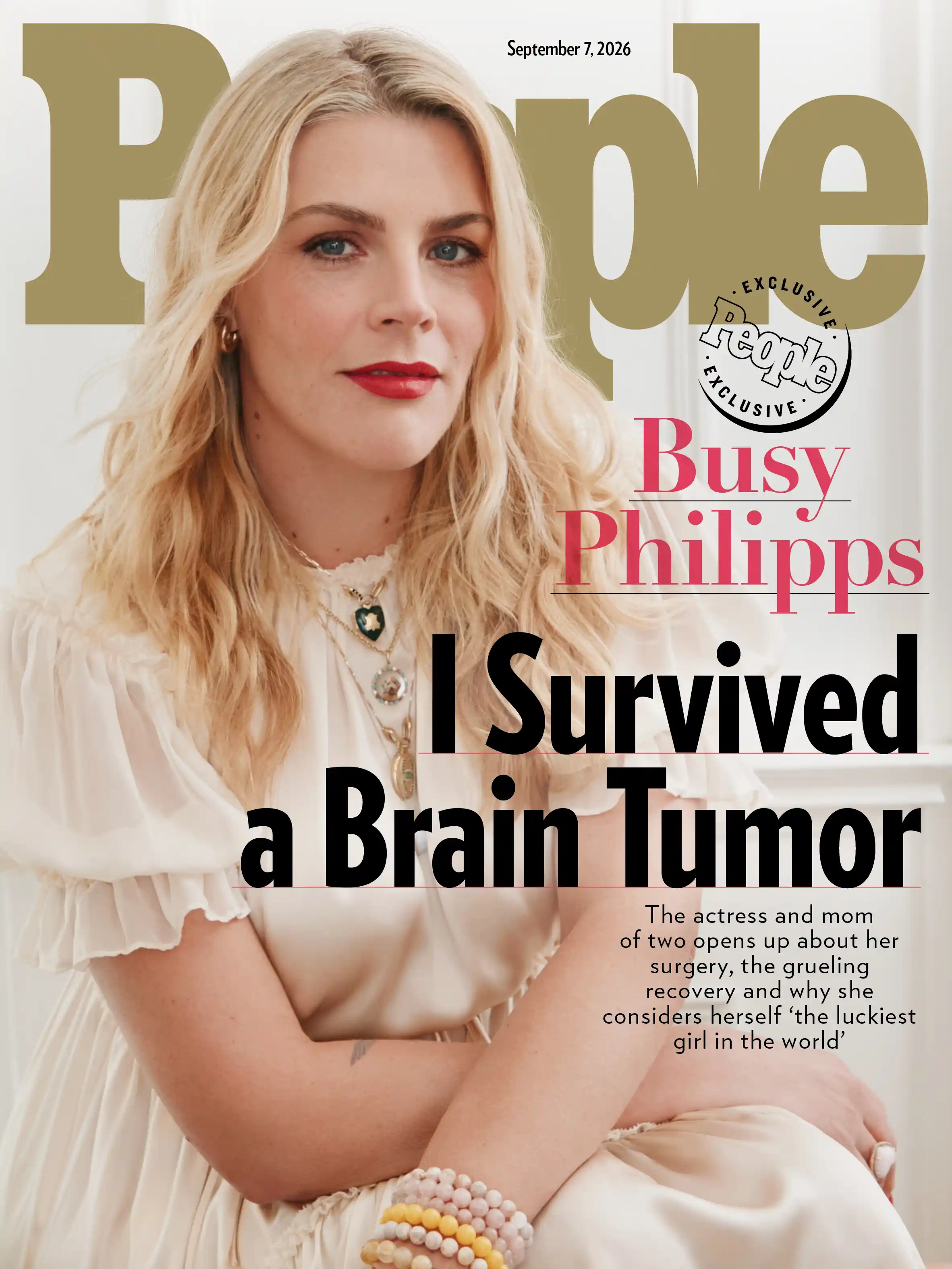
Most recently, one of those stories received national attention when People Magazine chronicled how a Prenuvo scan I recommended for actress Busy Philipps identified an asymptomatic brain mass. The finding ultimately led to the diagnosis and surgical removal of a grade 2 oligodendroglioma.
That is obviously an uncommon example, and most scans do not uncover a brain tumor. But it illustrates the potential advantage of looking at areas of the body that we would otherwise have little reason to image in someone who feels completely well.
What is a full-body MRI?
MRI uses magnetic fields rather than ionizing radiation to create detailed images of the body. A whole-body MRI allows us to evaluate many organ systems during a single examination and may identify masses, structural abnormalities, vascular findings, and other conditions that have not yet produced symptoms.
I particularly like Prenuvo because the company has built its imaging platform specifically around whole-body screening. Its MRI systems use optimized acquisition protocols designed to obtain multi-parametric imaging across the body in under an hour, and the images are interpreted by board-certified radiologists experienced in reviewing whole-body MRI examinations.
Prenuvo now has locations throughout the United States, including West Los Angeles, Pasadena, New York, Denver, Atlanta, and several other cities.
What are the limitations?
Whole-body MRI is not a replacement for mammograms, colonoscopy, Pap/HPV testing, PSA testing, lung cancer screening, dermatologic examinations, or other indicated screening.
It can also identify incidental abnormalities that turn out to be benign. Sometimes those findings require additional imaging or testing simply to determine that nothing concerning is present which is an important part of the conversation I have with my patients before ordering one.
Galleri Multi-Cancer Early Detection Blood Test
One of the most exciting developments in cancer screening over the past several years has been the emergence of multi-cancer early detection, or MCED, testing.
With a simple blood draw, Galleri analyzes tiny fragments of DNA circulating in the bloodstream. Rather than primarily looking for inherited DNA mutations, Galleri evaluates patterns of DNA methylation, chemical modifications that help regulate gene expression and can differ between normal cells and cancer cells.
The test uses pattern-recognition technology to determine whether those fragments contain a signal associated with cancer. When a cancer signal is detected, it also attempts to predict the organ or tissue where that signal most likely originated, which can help us determine the appropriate next diagnostic step. In clinical studies, the test has detected a signal shared by more than 50 different cancer types.
Galleri has a fascinating origin story
Interestingly, scientists did not initially set out to discover a multi-cancer blood test.
The story began with noninvasive prenatal testing, or NIPT. During pregnancy, small fragments of DNA from the placenta circulate in the mother's bloodstream. Scientists developed blood tests that could analyze this cell-free DNA to screen for chromosomal abnormalities such as Down syndrome, reducing the need for more invasive procedures like amniocentesis.
But researchers at Illumina began noticing something unexpected. In a very small number of pregnant women, prenatal blood tests showed unusual chromosomal abnormalities that did not appear to be coming from the fetus. Further investigation revealed that some of these abnormal DNA patterns were actually being generated by previously undiagnosed cancers in the mothers.
A landmark 2015 study published in JAMA examined more than 125,000 prenatal blood samples and documented cases in which abnormal cell-free DNA patterns were associated with previously unsuspected maternal cancers. And that observation raised an extraordinary question:
If cancer can shed detectable DNA into the bloodstream, could we intentionally use a blood test to look for cancer before someone develops symptoms?
Illumina created GRAIL in January 2016 to pursue that idea. Later that year, GRAIL launched the Circulating Cell-Free Genome Atlas, or CCGA, study to begin mapping the differences between cell-free DNA from people with and without cancer. Over the following years, that research helped establish DNA methylation patterns as a promising way to distinguish cancer signals and identify their likely tissue of origin. And that work eventually became Galleri.
It is one of my favorite examples of how an unexpected finding in one area of medicine can lead to an entirely new technology in another.
What can Galleri tell us?
Galleri gives one of two primary results: No Cancer Signal Detected OR Cancer Signal Detected.
If a cancer signal is detected, the report also provides a predicted Cancer Signal Origin, identifying where in the body the abnormal signal is most likely coming from. That allows us to pursue targeted diagnostic testing rather than simply knowing that an abnormality may exist somewhere.
It is particularly interesting because it can look for cancer signals associated with cancers for which we currently have no routine screening strategy at all.
In my practice, I generally begin discussing Galleri around age 50 and, depending on an individual's risk factors, family history, preferences, and other screening, may consider repeating it every one to two years.
What Galleri cannot do
Galleri is a screening test, not a diagnostic test.
A Cancer Signal Detected result does not mean someone definitely has cancer. It means additional imaging, laboratory testing, procedures, or biopsy may be necessary to determine whether cancer is actually present.
Likewise, a No Cancer Signal Detected result does not mean someone is cancer-free. Some cancers do not shed enough DNA into the bloodstream to be detected, particularly when they are very small, and false-negative results can occur.
Galleri therefore should never replace conventional cancer screening.
MCED testing is also still a relatively new area of medicine. Prospective studies such as PATHFINDER have demonstrated that cancer signals can be detected and subsequently evaluated in real-world clinical settings, and larger studies continue to add encouraging data. However, we do not yet have decades of outcome data demonstrating the effect of MCED testing on population-level cancer mortality.
That distinction is important. I think the technology is extremely promising, but promising technology still needs to be used thoughtfully.
Ambry Hereditary Cancer Screening
Galleri and Prenuvo are primarily trying to answer:
"Is there evidence of cancer in the body right now?"
Hereditary cancer testing answers a very different question:
"Was I born with a genetic variant that substantially increases my lifetime risk of developing certain cancers?"
Most cancers occur sporadically, with age being one of the strongest risk factors, and are not attributable to an inherited cancer syndrome. That said, approximately 5–10% of cancers are associated with inherited genetic variants that can significantly increase an individual's lifetime risk. Identifying these variants can help us better understand who may be at increased risk and develop more personalized, targeted screening strategies.
For appropriate patients, I use hereditary cancer panels from Ambry Genetics. This is generally a one-time genetic test that, depending on the panel selected, can evaluate genes associated with an increased risk of breast, ovarian, colorectal, uterine, pancreatic, prostate, melanoma, kidney, and several other cancers.
Most people will not have a pathogenic hereditary cancer variant. But when we do identify one, the information can be incredibly valuable. For example, finding a pathogenic variant in genes such as BRCA1, BRCA2, PALB2, APC, CHEK2, ATM, or one of the Lynch syndrome genes can change when we begin screening, how frequently we screen, which tests or imaging modalities we use, and in some cases whether preventive medications or procedures should be considered.
The results may also provide important information for siblings, children, and other relatives who could carry the same inherited variant.
This is one of the best examples of personalized prevention. Rather than waiting for disease to develop, we can identify an increased risk in advance and adjust someone's screening strategy years, or even decades, earlier.
Screening Is Only Half of the Equation
Advanced cancer detection technology is exciting, but I never want it to distract from something equally important:
preventing cancer in the first place.
We cannot eliminate cancer risk completely, and some cancers develop despite doing everything "right." But a substantial portion of cancer risk is influenced by modifiable exposures and behaviors. The American Cancer Society estimates that approximately 44% of U.S. cancer deaths are potentially attributable to modifiable risk factors.
Some of the most important things you can do are also the least glamorous:
Don't smoke.
Limit alcohol.
Exercise consistently.
Maintain a healthy weight and good metabolic health.
Prioritize vegetables, fruits, fiber, and other minimally processed whole foods.
Limit heavily processed foods and processed meats.
Protect your skin from excessive ultraviolet exposure.
Stay current with conventional cancer screenings.
Understand your family history.
And one of my favorites because it is so easy to address:
Get the HPV vaccine if you are eligible and haven't already.
HPV causes several different cancers, including cervical, anal, penile, vaginal, vulvar, and oropharyngeal cancers. Vaccination can prevent infection with the HPV types responsible for most of these cancers.
The Future of Cancer Screening
Cancer screening is entering a very interesting period.
For decades, our approach has largely been to screen one organ at a time: mammogram for breast cancer, colonoscopy for colorectal cancer, Pap testing for cervical cancer, low-dose CT for lung cancer, and PSA testing for prostate cancer.
Those tools remain essential.
But we are beginning to layer on technologies that can look across multiple organ systems simultaneously, analyze cancer-associated DNA circulating in the bloodstream, and identify inherited risks before cancer ever develops.
None of these technologies are perfect. No scan or blood test can give us complete certainty, and more screening is not automatically better screening.
The goal is to use the right tools for the right person, understand their limitations, and combine them with conventional screening, family history, lifestyle, and individualized risk.
That is ultimately how I think about preventive medicine more broadly: don't wait for disease to announce itself if we have a reasonable opportunity to identify risk or detect it earlier.
My hope is that the next generation of cancer screening will make more cancers detectable at their earliest and most treatable stages.And perhaps one day, we can eliminate cancer entirely.
